Most DJs do not struggle because they lack talent. They struggle because the system around them is broken. Gigs come through personal connections, payments arrive late or not at all, and managing bookings means juggling Instagram, WhatsApp, phone calls, and spreadsheets at once.
This project started with one question: what would a platform built specifically for DJs actually need to do?

Solo Designer

My Team

Small startup (working with developers)

Duration

Ongoing (Initial 6-week MVP phase)

Tools

Figma, Affinity Mapping, AI tools for research

Scope

Focused on DJs' experience first.

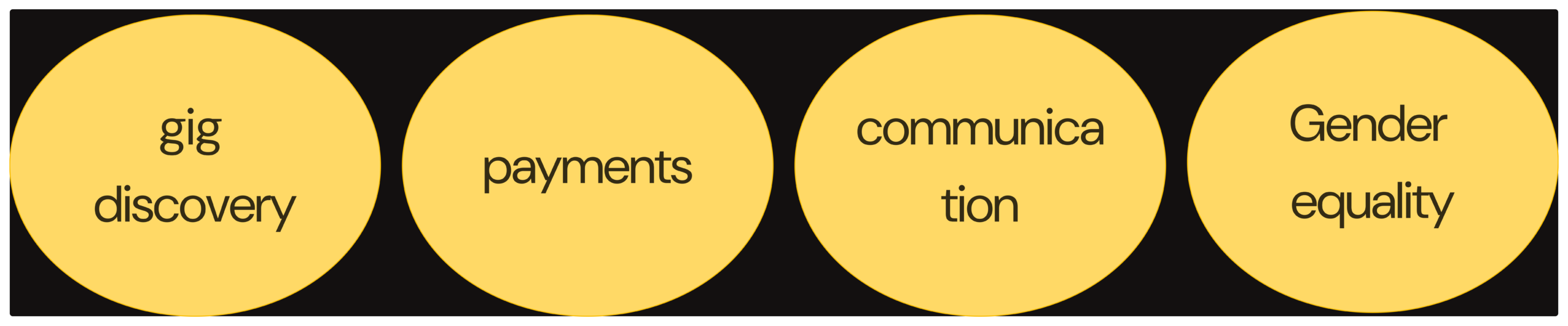
Before designing anything I needed to understand how DJs actually work. I conducted eight one-on-one interviews with working DJs ranging from hobbyists to full-time professionals. Sessions were recorded and transcribed using Otter.ai, then synthesised into themes across gig discovery, payments, communication, portfolio management, and platform needs.

Four pain points came up in almost every conversation.

  • Hard to Find Gigs
  • Late Payments
  • Difficult to Manage Gigs
  • Unfair Booking Process

“Finding gigs is all about who you know—not what you know.”

“I spend more time chasing payments than actually DJing.”

“I have to switch between so many apps just to track my bookings and payments.”

“I feel like new DJs don’t even get considered because organizers just hire people they know.”

Prioritisation

I used an effort-impact matrix to decide what to build first. Four features made the cut: smart gig matching with filters by genre, location, and budget:

  • GigGuard escrow system for secure milestone-based payments
  • live application tracker so DJs always know where their requests stand
  • unified dashboard combining gigs, messaging and payments in one place.

Effort-impact matrix used to prioritise which features to build first in the MVP phase.

I structured the platform around five areas, each addressing a distinct part of the DJ workflow. The goal was to replace the fragmented tool-switching DJs described with one place that handled everything from discovery to payment.

 Information architecture structured around five core areas: Profile and Portfolio, Gig Discovery and Booking, Home Screen, Support and Community, and Payment and Earnings.

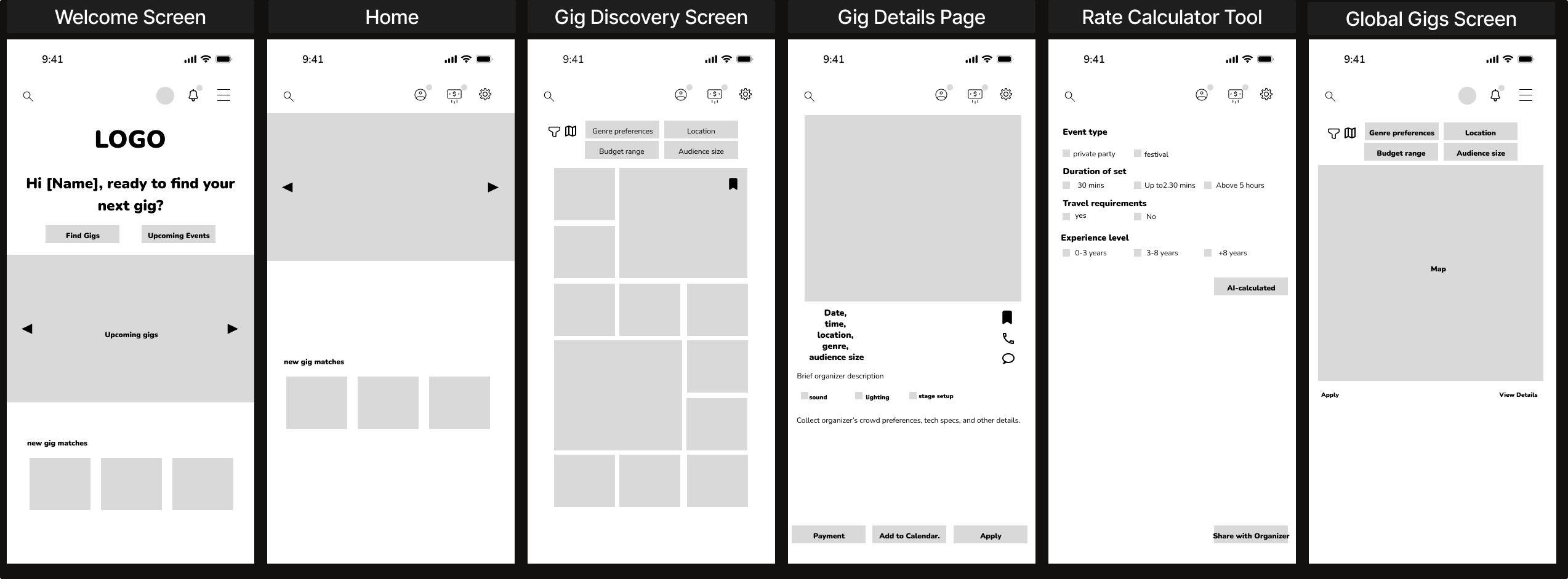
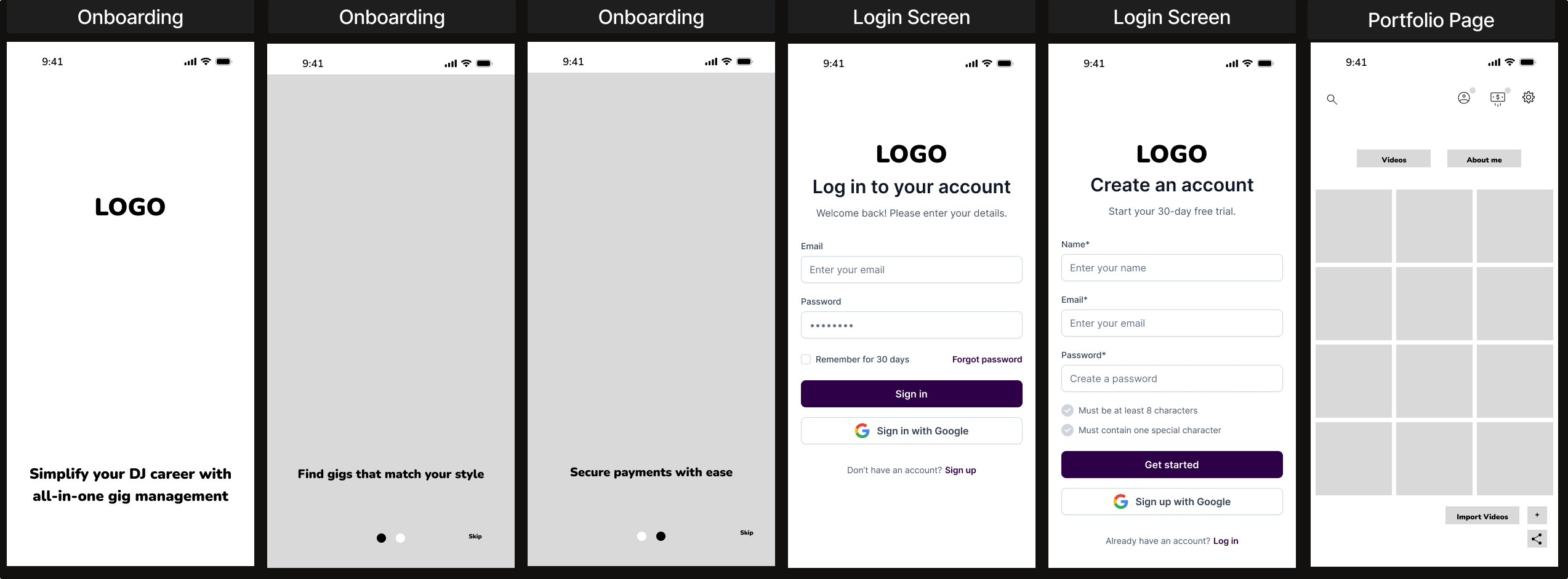
The wireframes focused on two core flows: browsing and filtering gigs, and submitting a booking request. Filter complexity was reduced early based on interview feedback. DJs wanted to scan quickly and act fast, not wade through options.

Lo-fi wireframes covering gig search and booking flows. Quick filtering and clear listing structure were prioritised directly based on what DJs said in interviews.

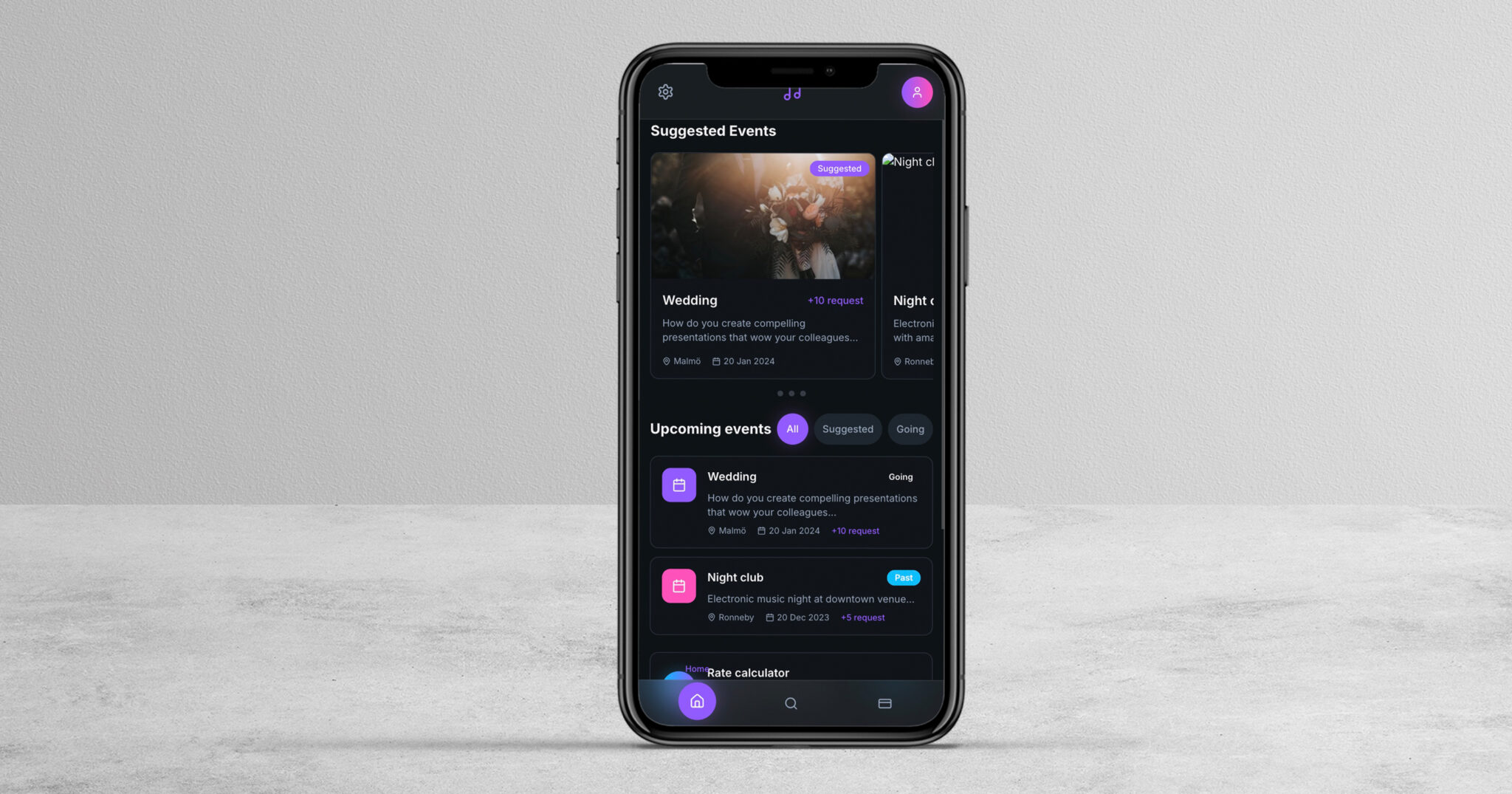
The home screen brings together the three things DJs needed most at a glance: what gigs are available, what they have already applied for, and what their rate should be. Status labels like Going and Past give immediate context without opening individual listings.

The MVP prototype demonstrated the core DJ experience end to end: discovering gigs, applying, tracking application status, and managing payments in one place. Every structural decision came directly from what eight real DJs described in their interviews.

The research shaped everything. The escrow payment system came from DJs describing payment disputes. The application tracker came from DJs saying they never knew what was happening after they applied. The unified dashboard came from the frustration of managing too many tools at once.

Designing for an industry I knew nothing about taught me that deep listening is the most important design skill. Before this project I had never spoken to a DJ professionally. Eight conversations later I understood their world well enough to make structural decisions I could defend.

I also learned that research done properly makes everything else easier. When a developer asked why the escrow system was a priority, I had eight interviews worth of evidence to explain it.

This was an early-stage startup collaboration. The platform is in active development. This case study reflects the research, structural thinking, and MVP prototype from the initial six week phase.